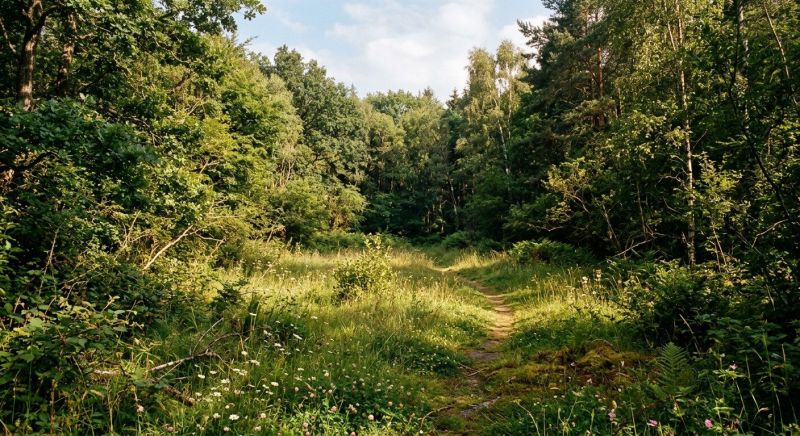
Thicket Clearing in Cumming, GA
Thicket clearing services involve removing dense brush, undergrowth, and overgrown vegetation to improve the usability and appearance of a property. This type of work is often requested for projects such as creating open spaces for lawns or gardens, preparing land for new construction or landscaping, or removing hazardous or unwanted plant growth. Property owners typically want to understand the extent of clearing needed, the types of vegetation involved, and how the process can enhance safety, accessibility, or aesthetic appeal.
Before requesting thicket clearing, property owners should consider the size and density of the area to be cleared, as well as any local regulations regarding vegetation removal. It’s helpful to clarify whether the project involves removing invasive species, clearing for future development, or simply tidying up overgrown areas. Understanding these details can ensure the work aligns with property goals and any necessary permits or restrictions are addressed.
Many property owners in Cumming, GA look into Thicket Clearing for repairs, replacements, upgrades, and appearance-related improvements.
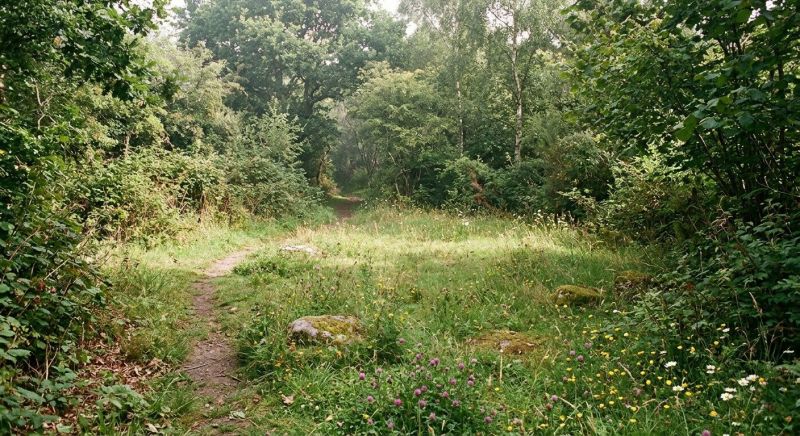
Thicket Clearing For Property Expansion
Removing dense brush and undergrowth to prepare land for development or landscaping.
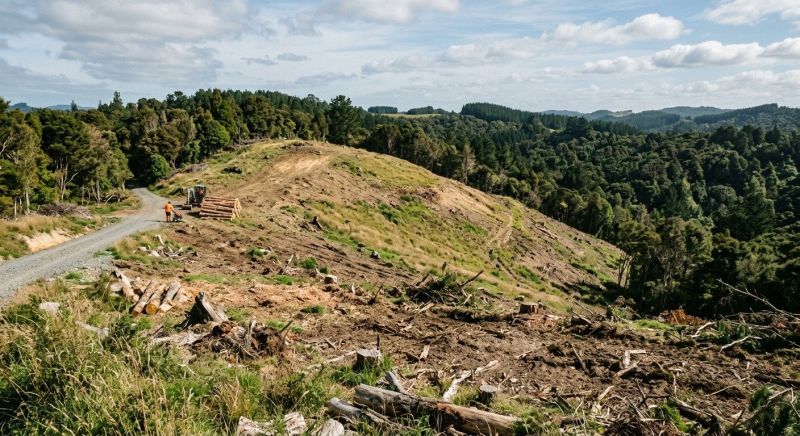
Wildlife Habitat Management
Creating open spaces by clearing overgrown areas to improve safety and accessibility.
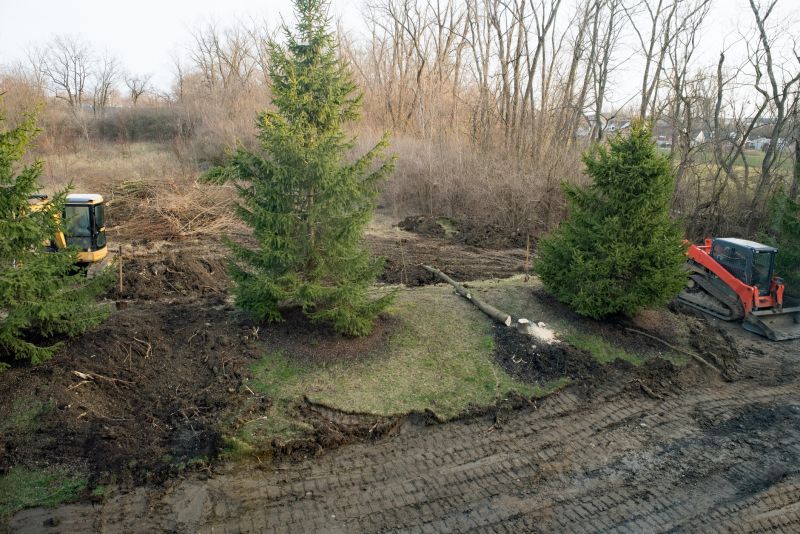
Land Restoration And Maintenance
Clearing thickets to restore property aesthetics and maintain a clean, usable outdoor space in cumming, ga.
Thicket Clearing in Cumming, GA
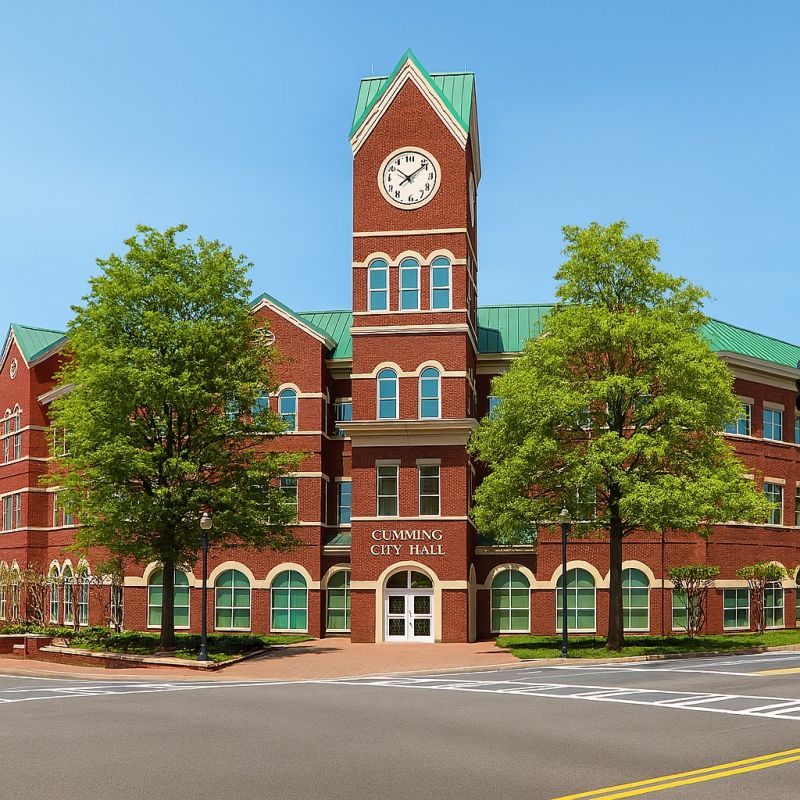
Thicket clearing services involve removing dense brush, undergrowth, and overgrown vegetation to improve the usability and appearance of a property. This type of work is often requested for projects such as creating open spaces for lawns or gardens, preparing land for new construction or landscaping, or removing hazardous or unwanted plant growth. Property owners typically want to understand the extent of clearing needed, the types of vegetation involved, and how the process can enhance safety, accessibility, or aesthetic appeal.
Before requesting thicket clearing, property owners should consider the size and density of the area to be cleared, as well as any local regulations regarding vegetation removal. It’s helpful to clarify whether the project involves removing invasive species, clearing for future development, or simply tidying up overgrown areas. Understanding these details can ensure the work aligns with property goals and any necessary permits or restrictions are addressed.
Many property owners in Cumming, GA look into Thicket Clearing for repairs, replacements, upgrades, and appearance-related improvements.
Common Thicket Clearing Jobs
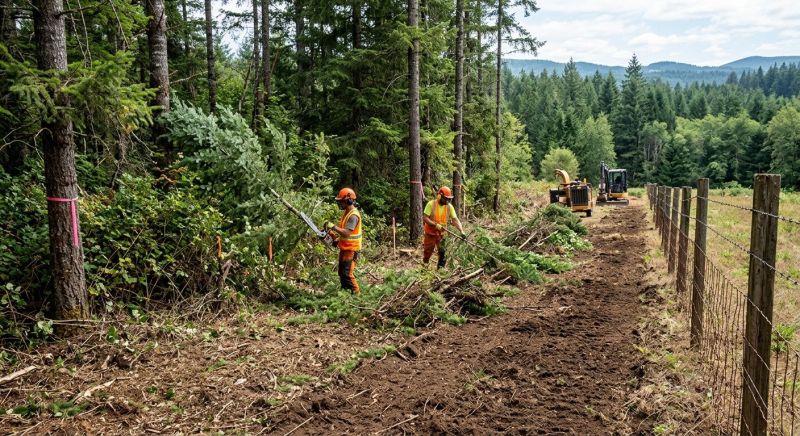
Thicket clearing involves removing dense, overgrown vegetation to improve property accessibility.
Brush removal helps clear away thick undergrowth and unwanted shrubbery.
Tree thinning reduces overcrowded trees to promote healthy growth and safety.
Vegetation management controls invasive plants and maintains a neat landscape.
Underbrush removal clears low-lying plants to prevent fire hazards and improve visibility.
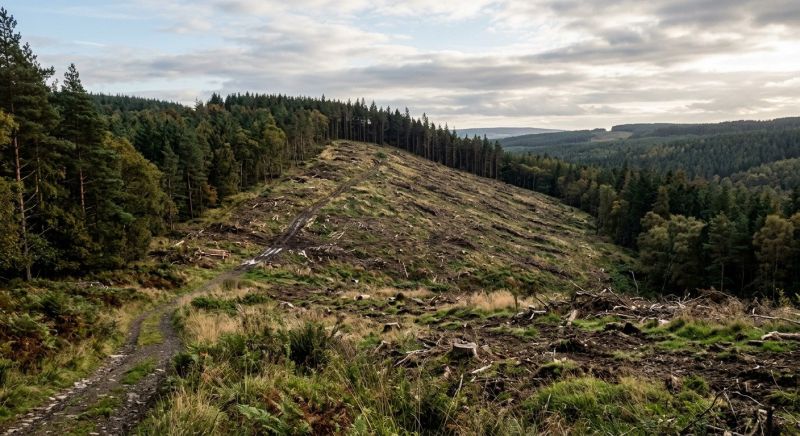
Overgrowth removal restores open space and enhances overall property appearance.

Thicket Clearing Questions
What types of clearing services are available for properties? Thicket clearing services include removing dense brush, undergrowth, and small trees to prepare land for development or landscaping projects.
Why should property owners consider thicket clearing? Clearing thick vegetation can improve safety, increase usable space, and enhance the appearance of the property.
Is thicket clearing suitable for large or small areas? The service can be performed on properties of various sizes, from small lots to extensive parcels needing vegetation removal.
What should property owners know before requesting thicket clearing? It’s important to consider the type of vegetation, access to the site, and any local regulations related to land clearing.
Request Thicket Clearing in Cumming, GA
Use the quote form on this page to share the basics of your project and request more information for the type of work you need.